Co-Designing an Inclusive Floor Play Enhancer
Product Design
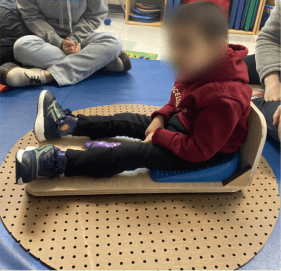
Overview
Client: 5-year-old preschooler with Cockayne Syndrome
Industry: EdTech
Timeline: 5 weeks (2024) Intensive design sprint
My Role: Inclusive Designer
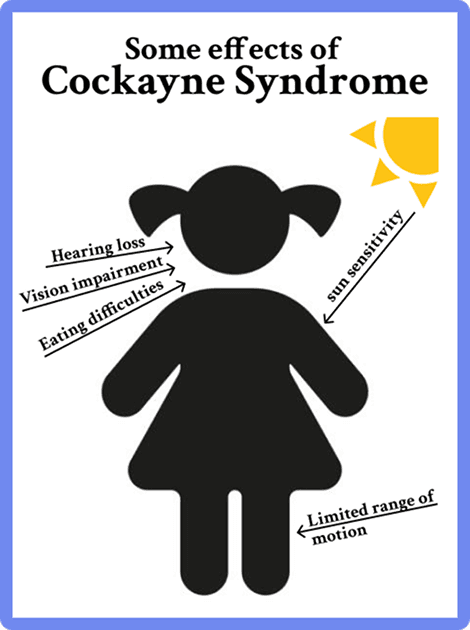
This project involved a rapid co-design sprint with a preschooler who has Cockayne syndrome. Due to his physical condition, he experienced difficulty reaching objects and maintaining comfortable posture during floor time, which led to frustration and reduced social inclusion during playtime.
The primary goal was to co-design a low-fidelity product that would immediately enhance his quality of life by improving physical comfort, increasing access to play materials, and fostering greater peer inclusion within his classroom environment.
Skills
Research & Methodology
Co-Design & Participatory Design
Ethnographic Observation (Play Sessions)
Contextual Inquiry
Needs Assessment for Assistive Technology
Longitudinal User Feedback (Planned)
Design & Prototyping
Physical Prototyping (Low-Fidelity)
Ergonomics & Human Factors
Mechanical Design Principles (Simple Mechanisms)
Design for Adaptability and Growth
Safety and Usability Testing
Domain Knowledge
Inclusive Design & Accessibility (a11y)
Pediatric and Therapeutic Design Constraints
Physical Therapy Goal Integration
Designing for Social Inclusion
Process & Constraints
Our process began with observation and play over several days to gather contextual insights into his daily struggles and physical goals.
Key Insight (The Problem Trigger):
Observation confirmed that the child frequently struggled to reach puzzle pieces and toys on the opposite side of his play mat. This required excessive strain, leading to frustration and loss of focus, often causing early disengagement from activities.
Balancing Design Constraints:
The core challenge was designing a solution that acted as an assistive device (improving reach) while maintaining the integrity of his physical therapy goals (encouraging practice to improve range of motion). The design could not be overly assistive, complex, or unsafe.
The solution had to be simple, safe, and engaging enough to encourage both independent use and participation from peers.
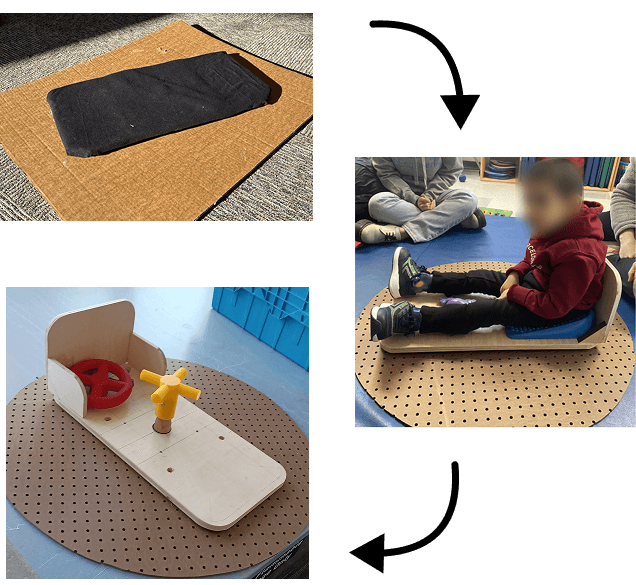
Results & Design Solution
After considering the functional needs and safety requirements, we developed a playful and highly practical physical prototype inspired by amusement park rides.
Final Design: A custom lazy-Susan style floor play enhancer. The design uses a stationary base and a central spinning wheel mechanism that allows the preschooler to dynamically rotate himself 360 degrees.
Key Feature for Adaptability:
We incorporated removable handles that attach to the rotating platform. These were designed for days when his arm strength was limited, offering better torque and leverage to pull himself in different directions without overexertion. The handles are detachable to maintain full rotation and reduce clutter when not required.
Impact on Quality of Life:
The playful mechanism instantly increased his ability to complete activities (like puzzles) without relying on adult assistance.
Crucially, the dynamic, interactive nature of the device encouraged peers to join in, transforming a functional aid into a social catalyst that significantly improved his inclusion during playtime.
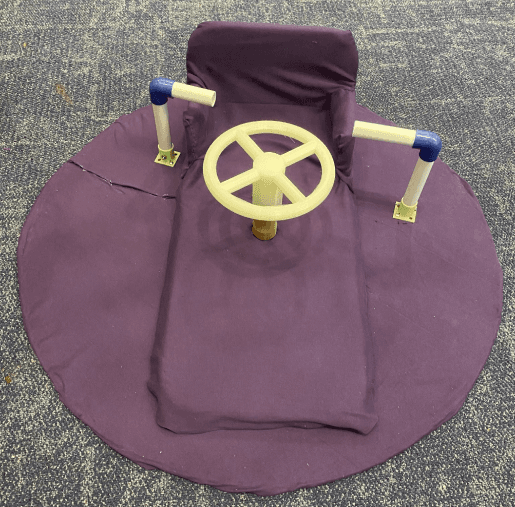
Opportunities for Improvement and Expansion
Given the short time frame and focus on initial validation, future work would prioritize long-term therapeutic efficacy, manufacturability, and scalable inclusion.
Longitudinal Therapeutic Tracking: The current study validated the immediate positive impact. The next step would be a longitudinal study (6+ months) involving the child’s physical therapist. This would track hard metrics like the actual increase in range of motion, change in muscle strength, and duration of independent engagement over time, proving the device's therapeutic value alongside its functional benefit. We wanted to continue working with the student, but were unable to due to complications with his teacher's health.
Materials and Manufacturability Research: The initial prototype was functional but not optimized. Future resources would be dedicated to sourcing durable, non-toxic, and easily sanitizable materials.