AI Voice Personalization for Deaf and Mute Users
How can we help Deaf people create a voice profile in an inclusive way?
Duration
February 2024
Client
MIT & Perkins School for the Blind
Services
UX Design
Strategy
Challenge
Deaf & Mute People Lack Consistent Vocal Identity

We heard Jon Mowl’s story of having thousands of ASL interpreters over the years - with most of them being white women.
UI Design
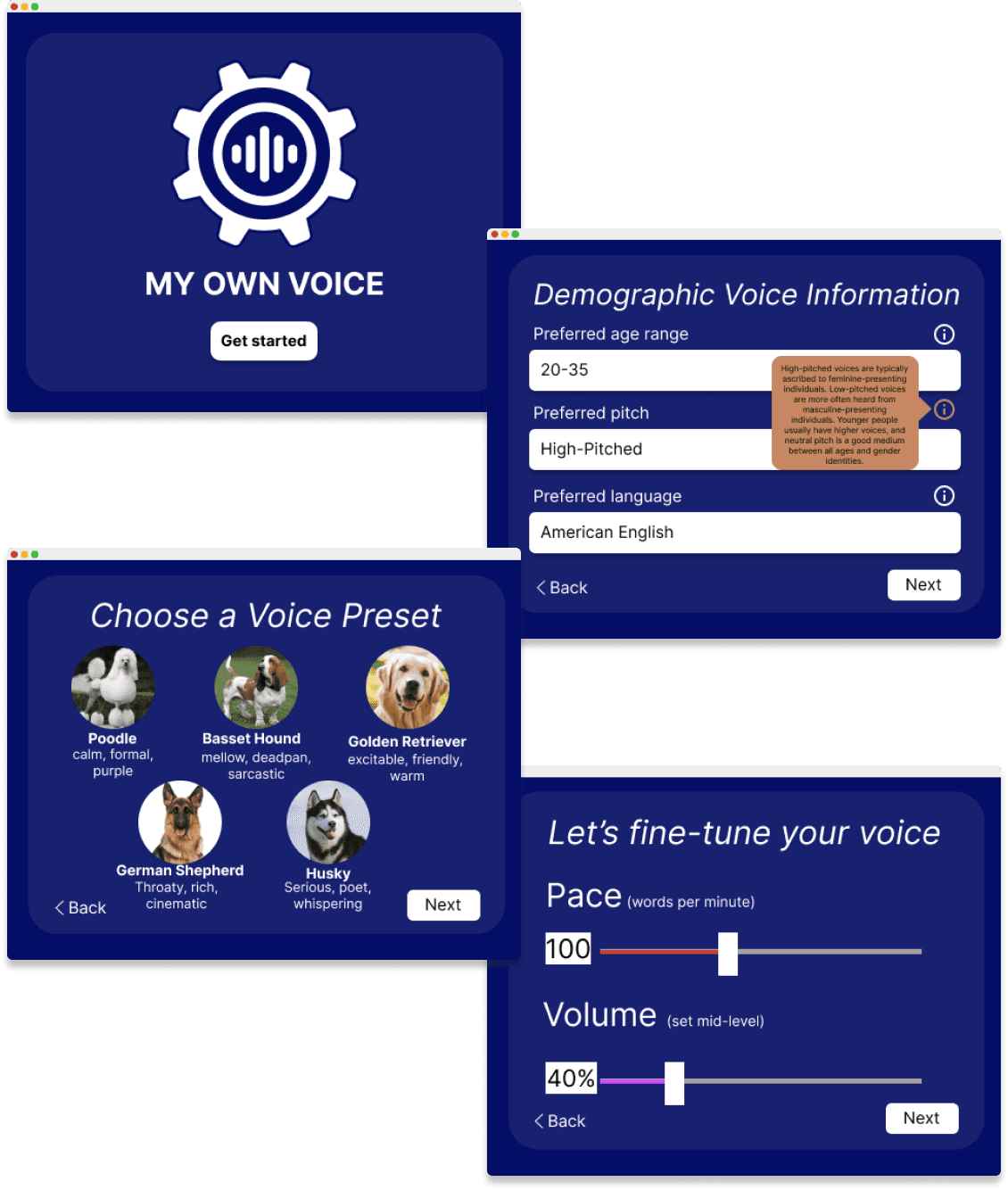
Inclusive Design Gives the User Freedom
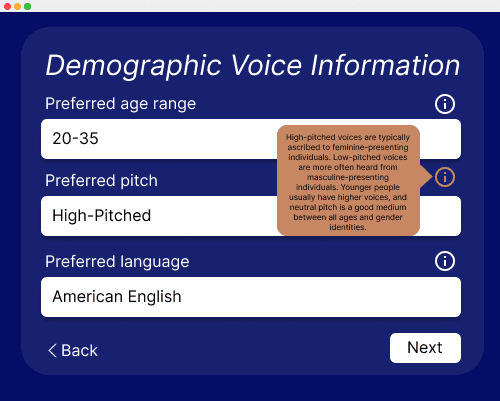
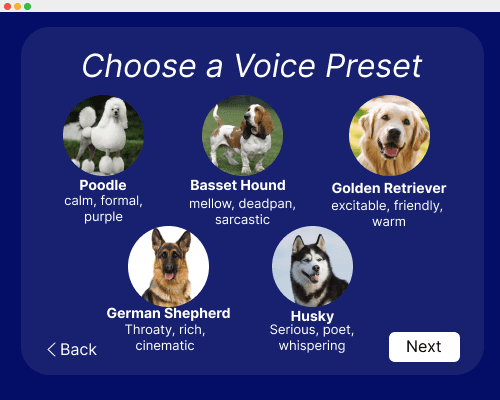
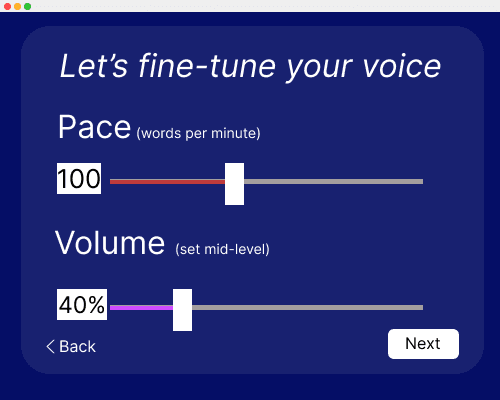
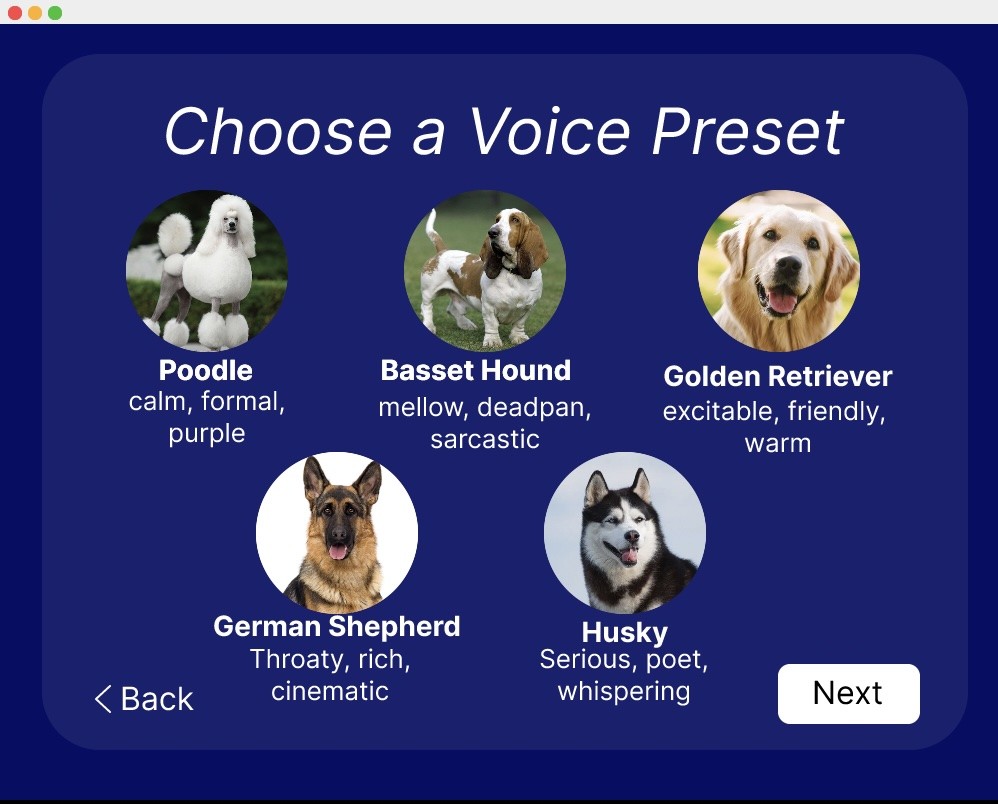
This design gives users three ways to choose how they want to customize their voice.
There is also additional information of what gender and age are typically ascribed to different pitches.
Tension
Not Everyone Identifies with Their Demographic
It would be easy to allow users to choose between:
Age,
Gender,
and dialect
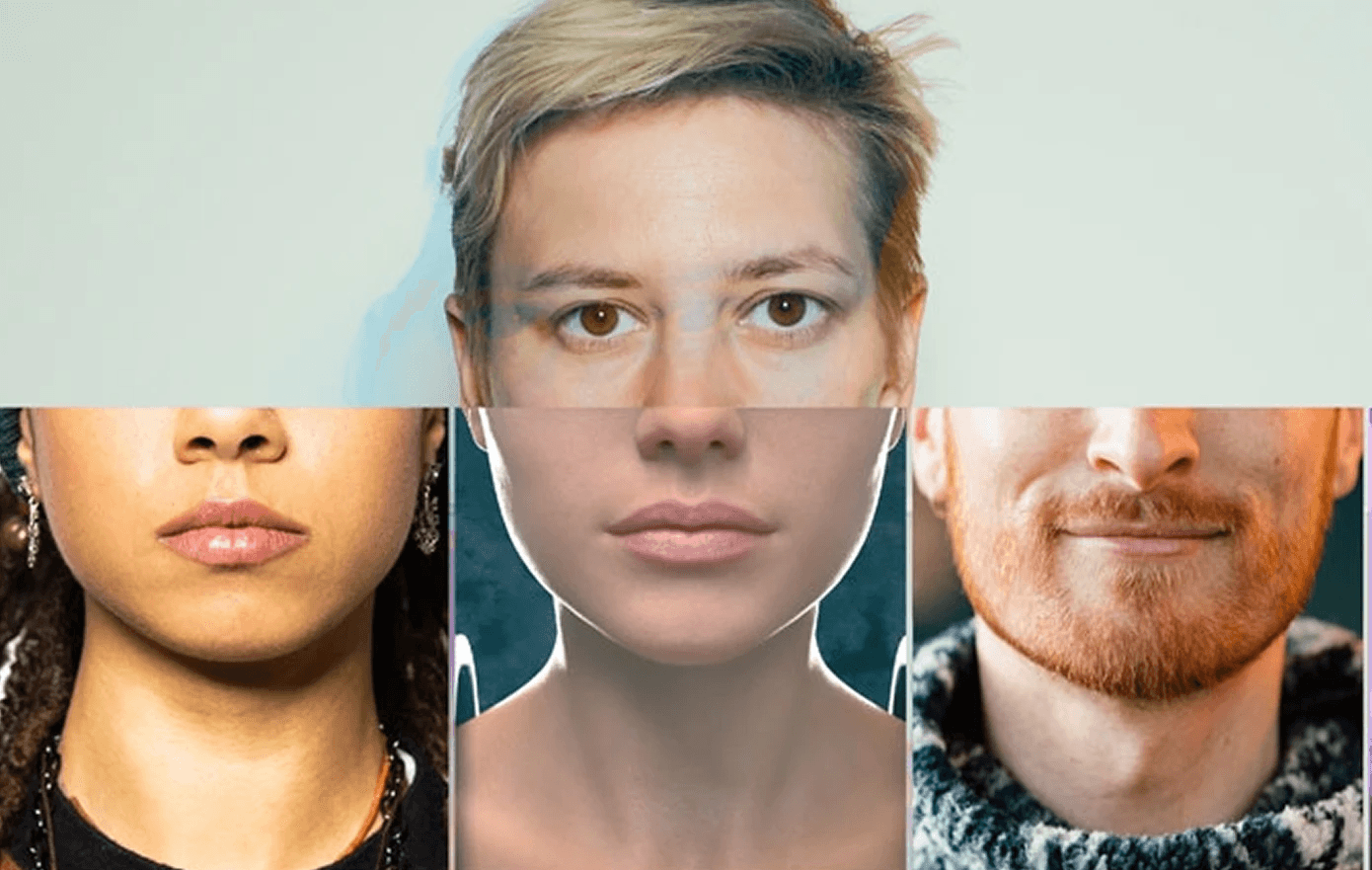
But what about people who don’t see themselves or want to be seen in such narrow boxes?
A manual pitch option may not work for users who have never heard pitch.
Research
Dogs’ Personalities Transcend Sound
Outcome
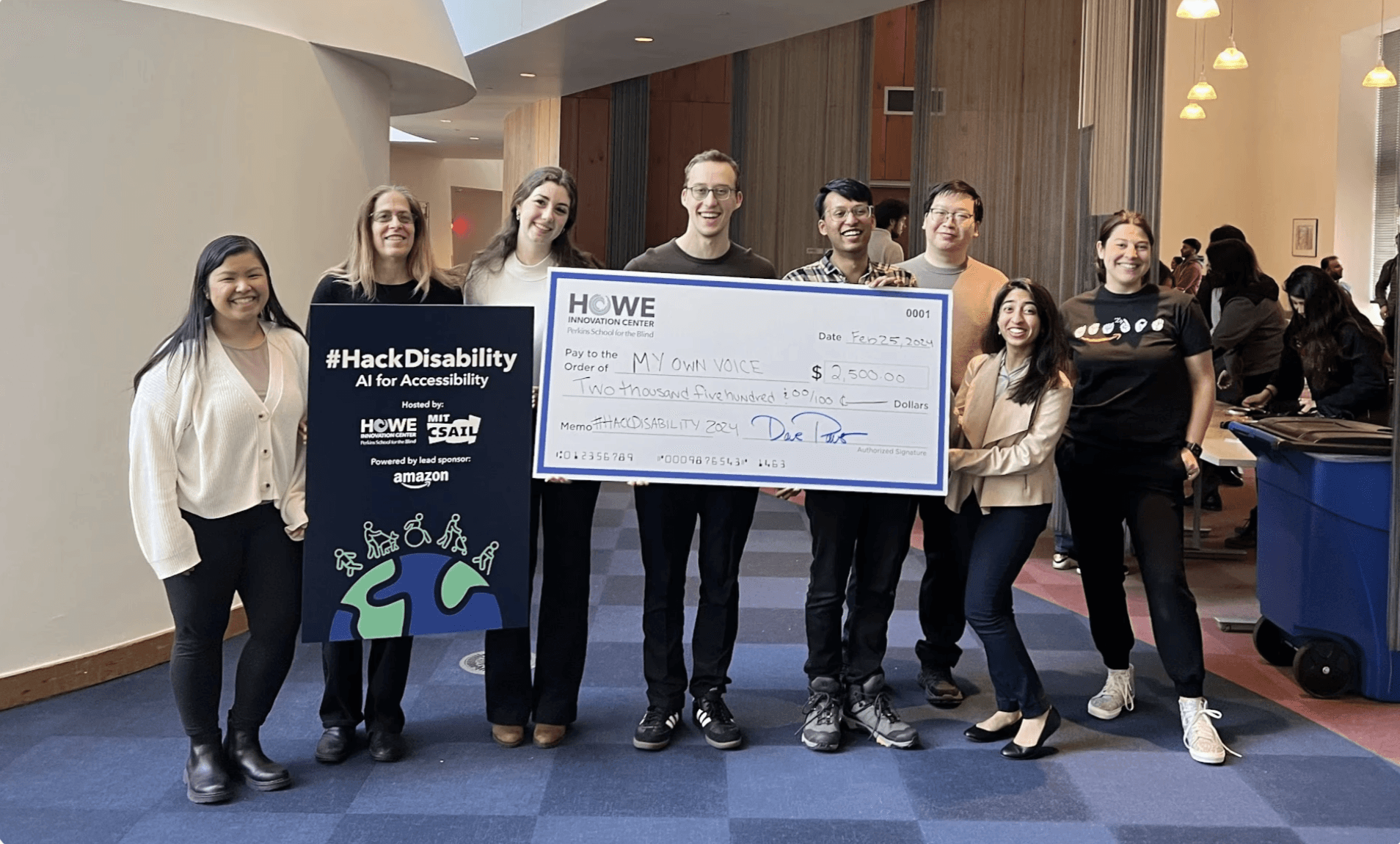
Winners of $2,500 Prize and Featured in the Boston Museum of Science
MIT and Perkins School for the Blind selected our project as the winner of the weekend-long hackathon. This meant a prize to continue working on our project and a promise to be featured in the Museum of Science in Boston, MA.